



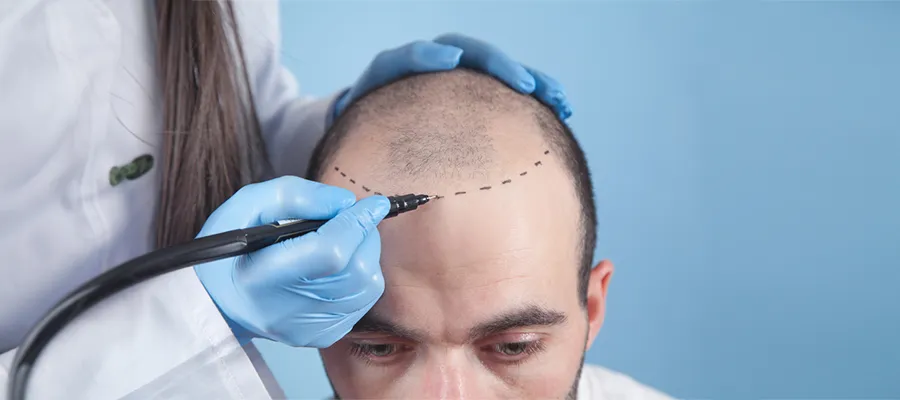
Hair transplant Denmark is a widely sought-after procedure due to the country’s high standard of medical care, modern technology, and experienced professionals. The process involves the extraction of hair follicles from a donor area, often from the back of the scalp, and transplanting them to areas experiencing hair loss. This procedure is done in a sterile, controlled environment to ensure the best possible results with minimal risk.
Many individuals turn to Denmark for hair restoration because of the advanced techniques available and the country’s reputation for offering high-quality healthcare services. Moreover, Danish clinics often follow strict hygiene protocols and utilize cutting-edge equipment to ensure the best outcomes for their patients.
How is Hair Transplantation Done in Denmark?
The hair transplant Denmark is carried out under sterile medical conditions using advanced techniques. The process begins with a detailed scalp evaluation where the degree of hair loss and donor hair availability are assessed. Based on these findings, the most suitable technique—either FUE (Follicular Unit Extraction) or FUT (Follicular Unit Transplantation)—is selected.
The procedure is performed under local anesthesia to ensure patient comfort. Hair follicles are extracted from the donor area and then implanted into thinning or balding areas with attention to natural angle and direction. This is done using specialized instruments that allow for high precision and minimal scarring.
What Are The Most Popular Methods For Hair Transplantation In Denmark?
The most frequently used methods are FUE and DHI (Direct Hair Implantation). These techniques are preferred due to their minimally invasive nature and ability to deliver natural results with minimal recovery time.
In the FUE method, individual hair follicles are removed and placed one by one into the recipient area. DHI involves direct implantation of follicles using a Choi Implanter Pen, allowing for greater control over depth and direction without pre-made incisions. Selection of the method depends on donor hair density, desired coverage, and scalp characteristics.
What Are The Advantages Of Having A Hair Transplant In Denmark?
Hair transplants in Denmark are performed under high medical standards, governed by strict regulatory controls. Clinics are equipped with advanced technology, and procedures are conducted by experienced professionals trained in modern hair restoration techniques.
Minimally invasive approaches such as FUE and DHI are commonly offered, resulting in faster recovery, minimal scarring, and high graft survival rates. The combination of technology, safety, and medical expertise makes Denmark a reliable destination for this procedure.
Is Hair Transplantation Safe In Denmark?
Hair transplantation is considered safe when performed in accredited clinics by qualified professionals. Danish clinics operate under rigorous healthcare regulations, ensuring sterile environments and controlled conditions throughout the process.
Complications are rare, especially with modern techniques like FUE and DHI. Side effects such as redness, swelling, or tenderness are generally mild and temporary. Pre-operative evaluations and adherence to post-operative care instructions significantly reduce risk.
What Problems Does Hair Transplantation Offer Solutions To?
Hair transplantation provides effective treatment for several types of hair loss, including male and female pattern baldness, hair thinning due to hormonal imbalances, and hair loss from trauma or surgical scars.
It is also used for facial hair restoration, such as eyebrows and beards. By redistributing healthy hair follicles from dense areas to balding zones, natural volume and density can be restored in a permanent and aesthetically pleasing way.
What Should Be Considered Before Hair Transplantation?
A full medical assessment is required before surgery to determine candidacy. This includes reviewing medical history, evaluating donor hair quality, and identifying the stage of hair loss.
Patients must have realistic expectations and a stable hair loss pattern. Consideration should also be given to cost, recovery timeline, and willingness to adhere to aftercare recommendations to ensure optimal outcomes.
Hair Transplant Denmark Cost 2026
The cost of a hair transplant in Denmark in 2026 depends on several factors including the technique used (FUE, DHI, or FUT), the number of grafts required, and the clinic’s reputation. Prices generally range between €3,000 and €10,000.
DHI tends to be priced higher due to the precision of the technique, while FUT is typically more affordable. In all cases, a detailed consultation is necessary to determine the exact scope of treatment and provide an accurate price estimate. Hair transplant Denmark cost 2026 — contact for more information.
Frequently Asked Questions (FAQ)
How Is The Number Of Grafts Determined?
The number of grafts is calculated based on the extent of the recipient area, donor hair density and the desired final appearance. A detailed assessment of the scalp and hair quality guides this decision.
Can A Hair Transplant Be Completed In One Session?
Yes, many treatments are carried out in a single session. In cases of extensive hair loss or when many grafts are required, the process may be split into more than one session for safety and precision.
Will Scars Be Noticeable After The Process?
When advanced techniques such as FUE or DHI are used, scarring is minimal. Only very small dot‑like marks may appear in the donor area, which usually heal to become barely visible.
Is There Pain During Or After The Procedure?
Local anesthesia ensures that the procedure is pain free. Post‑treatment discomfort such as mild swelling or tightness may occur, but it is expected to fade and is managed with standard pain relief.
How Long Before Normal Activities Can Be Resumed?
Most patients return to normal activities within 5 to 7 days. Redness or mild swelling may linger slightly, but major recovery is typically rapid under proper after‑care.
When Does Hair Growth From Grafted Follicles Begin?
Growth from transplanted follicles generally becomes noticeable around 3 to 4 months. Final results, including fuller texture and density, often appear between 9 to 12 months post‑procedure.
Is The Result Of A Hair Transplant Permanent?
Yes, results are intended to be long‑term. Because the transplanted hair retains the characteristics of the donor site, it continues to grow naturally at its new location.
Can Additional Treatments Be Used To Support Transplant Results?
Yes, complementary treatments such as PRP therapy, mesotherapy or topical medications can enhance graft survival and overall hair density when combined with the transplant.
What After‑Care Steps Are Essential For Healing?
Patients should avoid direct sun exposure, avoid strenuous exercise and refrain from rubbing or scratching the treated area. Gentle wash routines and prescribed topical care help promote optimal healing.
Is Hair Transplantation Suitable For Female Patients?
Yes, female patients with adequate donor hair and stable patterns of thinning can benefit from hair transplantation. A full eligibility assessment ensures suitability and expected outcomes.
Can Facial Hair Restoration Be Done Using The Same Techniques?
Yes, transplantation techniques are also applied to beard, mustache and eyebrow restoration. Follicles are implanted with careful attention to growth direction and density for a natural result.
Are Patients With Controlled Chronic Conditions Eligible For Transplantation?
Patients with well‑managed conditions such as diabetes or hypertension may be eligible, provided the underlying health is stable and a complete pre‑operative evaluation has been performed.
How Should Hair Be Washed During The Early Healing Phase?
Special gentle shampoo and careful cleaning motions such as tapping rather than rubbing are advised. These steps protect the newly transplanted site during the initial recovery.
Can Transplanted Hair Be Styled Like Natural Hair After Healing?
Yes, following full hair growth and healing the transplanted hair behaves like natural hair and can be cut, styled or coloured as desired.
Does Smoking Affect The Outcome Of Hair Transplantation?
Yes, smoking can reduce scalp blood flow and hinder healing. Patients are advised to stop smoking before and after the procedure to support optimal graft survival.